
PilotWorkshops Proficiency Training

Dedicated to Pilot Proficiency
Since 2005, PilotWorkshops has been providing online training courses and “pilot-friendly” manuals for general aviation pilots. Our team of award-winning instructors help pilots at all levels reach a higher standard of safety and excellence.
Over 200,000 pilots use our training to stay sharp and fly safely.
Get The Free Pilot's Tip of the Week
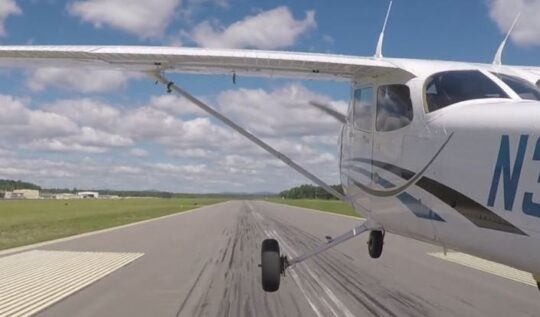
These short, useful, free tips from our team of experts help improve technique and avoid common mistakes. Seen by over 200,000 pilots weekly.
Scenario-Based Training
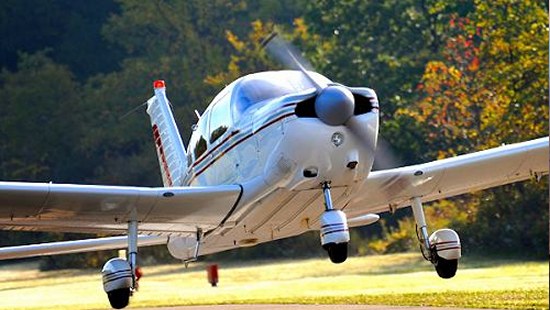
VFR Mastery
VFR Mastery is a continuing series of online, scenario-based workshops that tests your knowledge and hones your decision-making skills.

IFR Mastery
IFR Mastery is a fun and effective way to build IFR skills for the instrument pilot. This scenario-based training really gets you thinking with new scenarios every month. A great way to keep your head in the game.
Online Pilot Proficiency Courses
Enhance Your Core Flying Skills:

Airmanship
Our original Airmanship program from 2007—covers core skills, decision making, night flying, emergencies, non-towered airports, and more. An older course, but loaded with golden advice.
Review good flying technique with an all star cast of instructors.
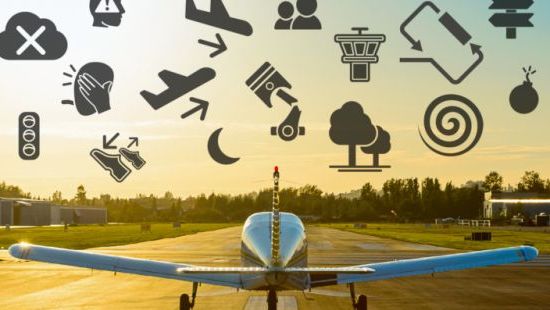
Airmanship 2.0
Airmanship 2.0 is about pursuing excellence in flying. Listen as four renowned flight instructors share their combined wisdom to help you reach a higher level of flying proficiency.
A great refresher, taught by award-winning flight instructors.
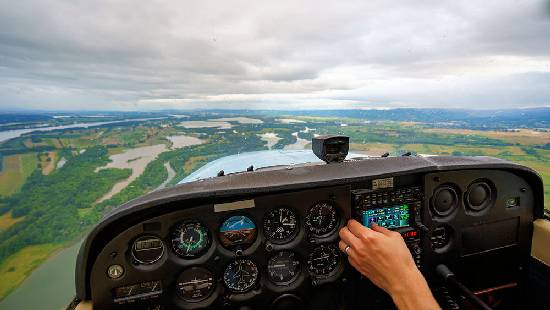
Private Pilot: The Missing Lessons
For the private pilot looking to improve. Features valuable lessons that are often overlooked, glossed over or not fully explained during Private Pilot training.
Things you wish your instructor had taught you in primary training.

IFR Skills for VFR Flying
These borrowed IFR techniques can improve your VFR flying—whether you’re Instrument rated or not. Use the structure and discipline of IFR flying to augment the freedom and flexibility you have flying VFR.
You don’t need an Instrument Rating to understand the simplified concepts in this course.
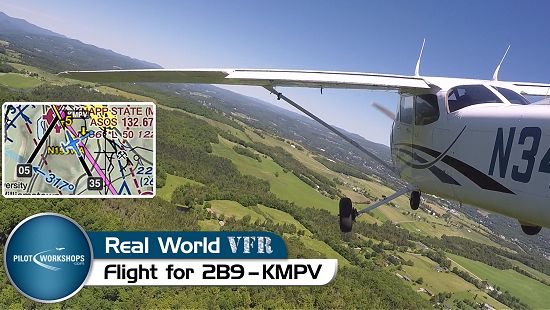
Real World VFR
For pilots looking for new adventures, this course follows a pilot and instructor through a series of challenging flights, teaching the skills needed to reach the next level.
Practical tips and techniques demonstrated in fun flying videos.

Real World Coast To Coast
Experience all aspects of a long cross-country trip from New Jersey to Southern California, from a pilot’s perspective. Plan each leg, then manage the conditions as they unfold.
Start using your airplane for long cross-country adventures.
Refresh Your IFR Knowledge:

IFR Proficiency Series
Raise your instrument flying to a higher standard with this program. Reviews best practices, lessons learned, and offers specific tactics for safer instrument flying.
Taught by a team of award-winning instructors. Includes audio lessons.
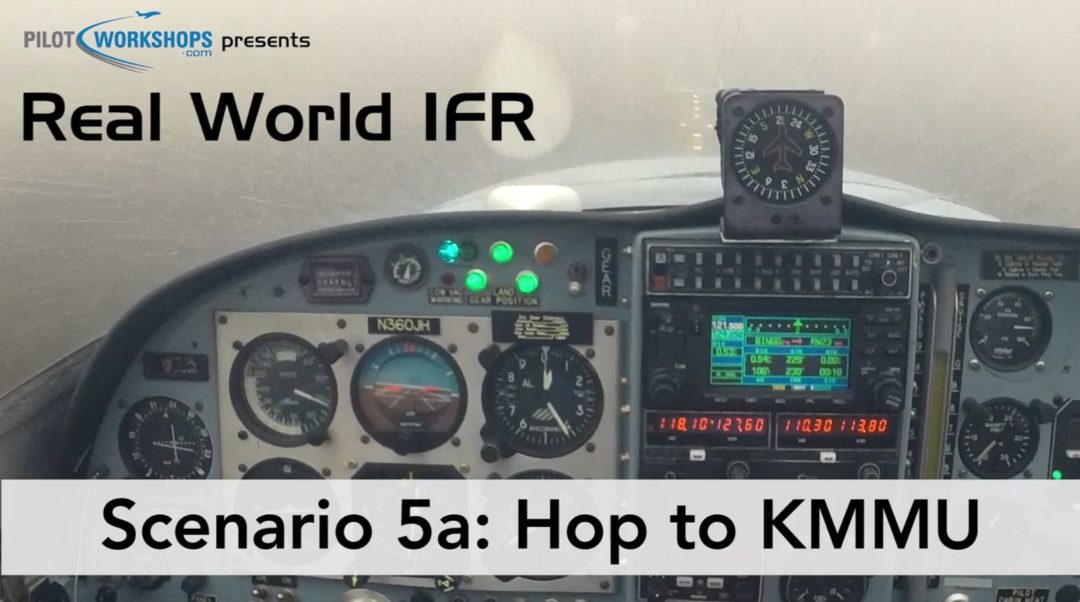
Real World IFR
Watch a pilot tackle a series of challenging IFR flights. Get an over-the-shoulder view of the entire IFR system in action. Includes a condensed ground school for quick review.
If you learn well by watching other pilots, this course is for you.
Instrument Rating Accelerator
For instrument students and newer IFR pilots, this course follows a pilot through the entire instrument rating—from the first training flight through the checkride.
A great supplement to an IFR ground school, and a super-thorough refresher!
Take IFR To The Next Level:
IFR: The Missing Lessons
For the instrument pilot looking to improve. Features valuable lessons that are often overlooked, glossed over or not fully explained during Instrument training.
Things you wish your instructor had taught you in IFR training.

Advanced IFR
Follow instructor Ryan Koch through a series of high-workload IFR flights, and watch him demonstrate pro techniques that help manage the complexities of instrument flying.
Learn to utilize the full capabilities of the IFR system for smoother operation.
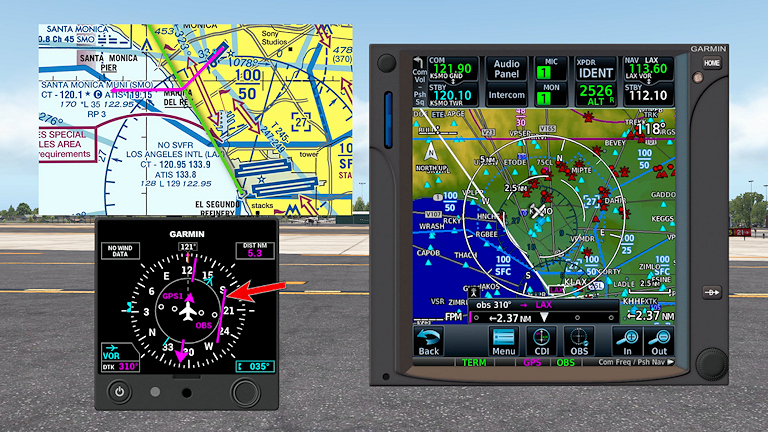
Garmin GTN: Next Level
This video course demonstrates advanced techniques, best practices, power tips, and gotchas for the Garmin GTN 750 and 650 (includes Xi).
A must-have course for all GTN 750/650 users flying IFR.
Pilot-Friendly Manuals
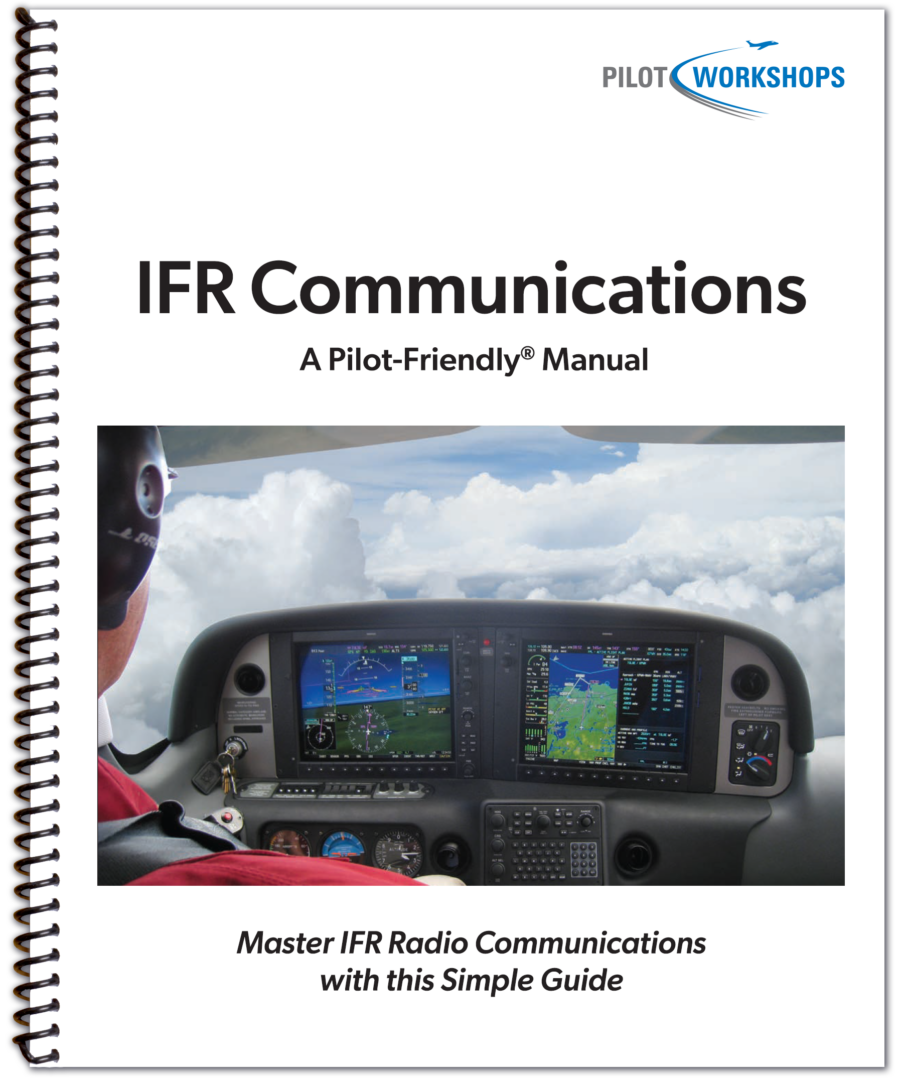
IFR Communications
Provides scripts of the most common and useful IFR radio communications. Includes demonstration videos.
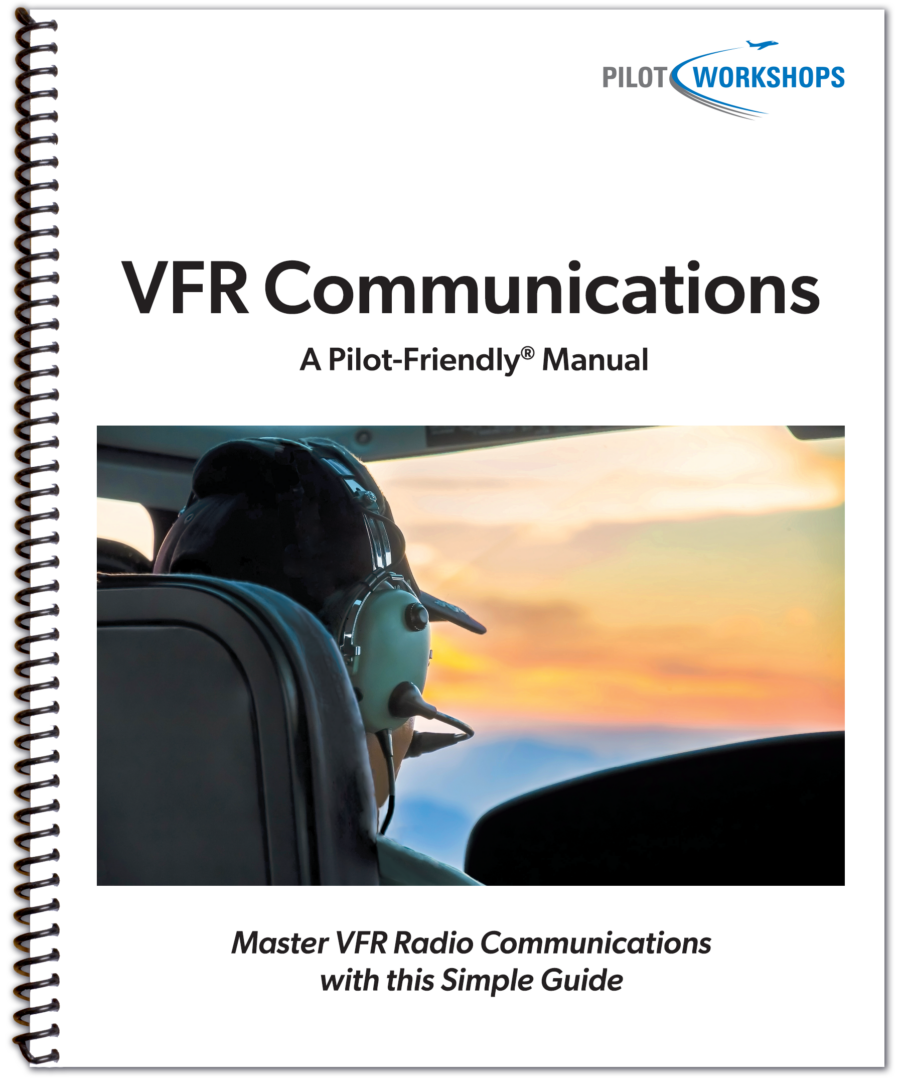
VFR Communications
Shows you exactly what to say and when to say it, in all VFR situations. Includes demonstration videos.
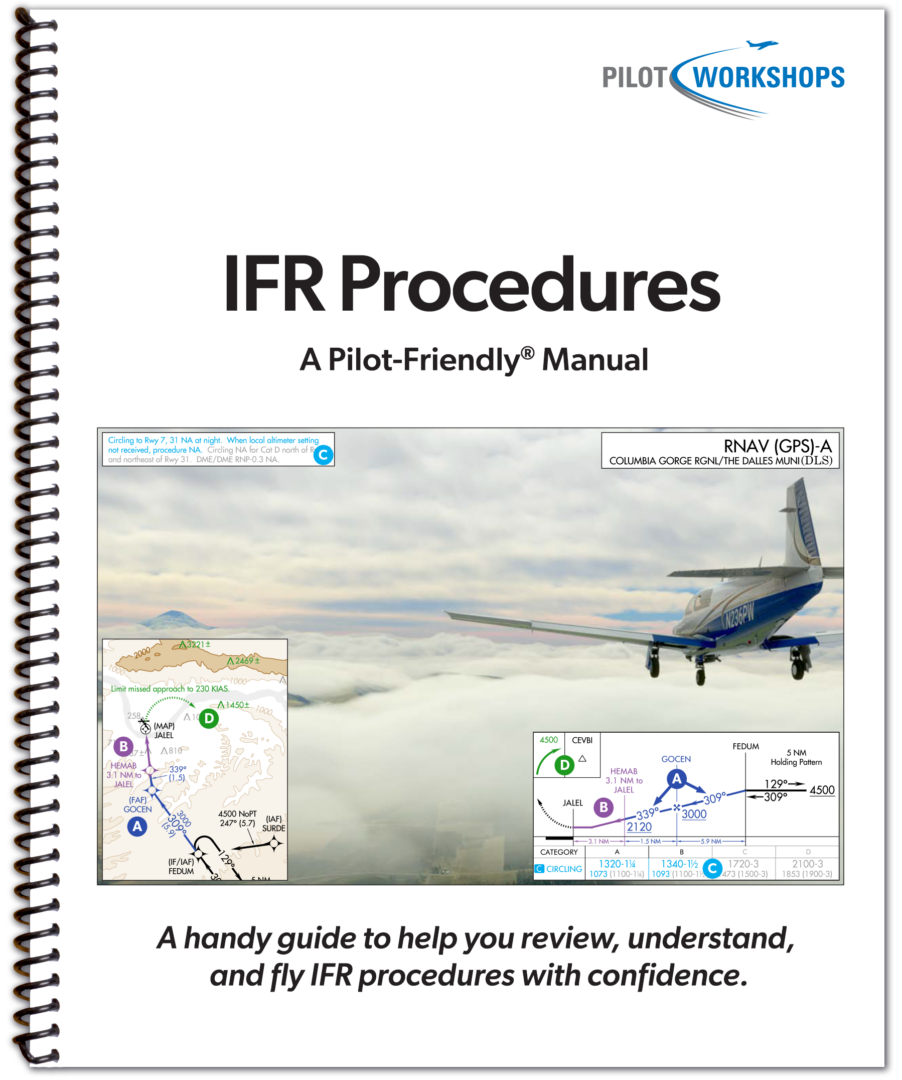
IFR Procedures
A handy guide to help you review, understand, and fly IFR procedures with confidence.
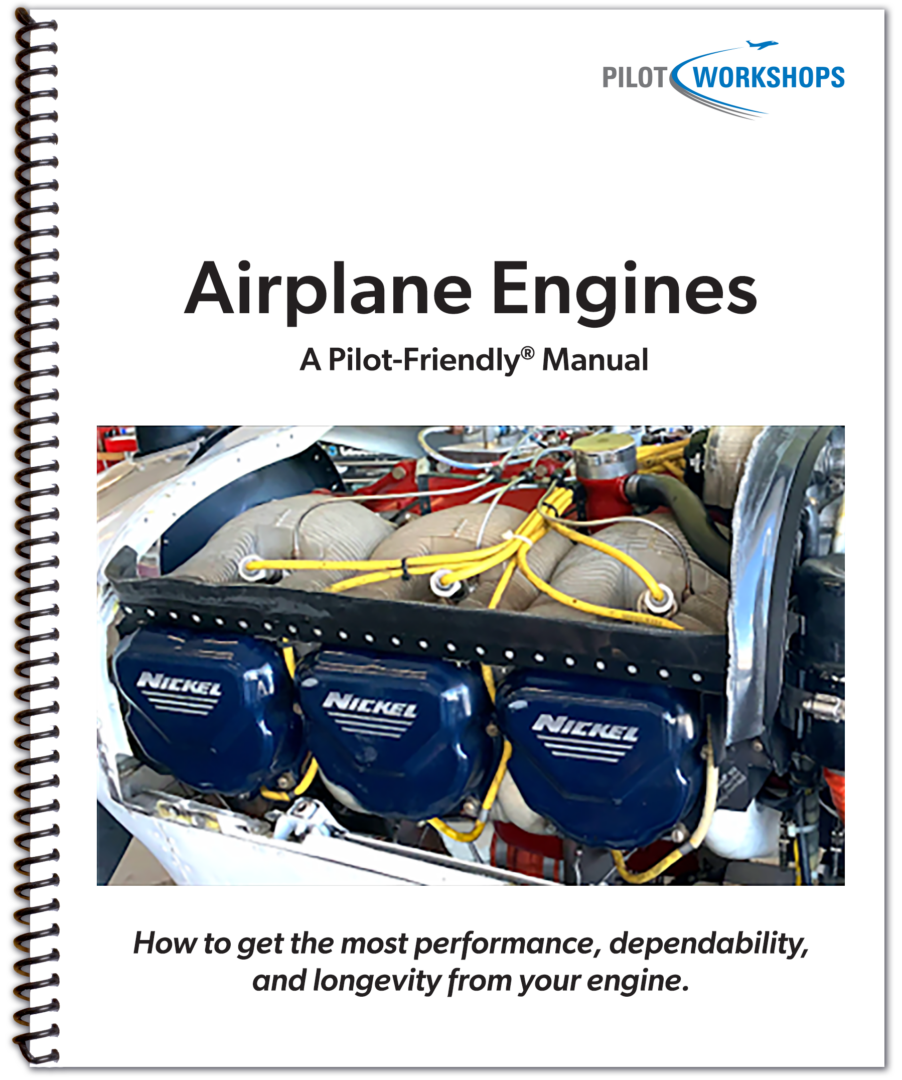
Airplane Engines
Learn how to get the most performance, dependability and longevity from your engine.
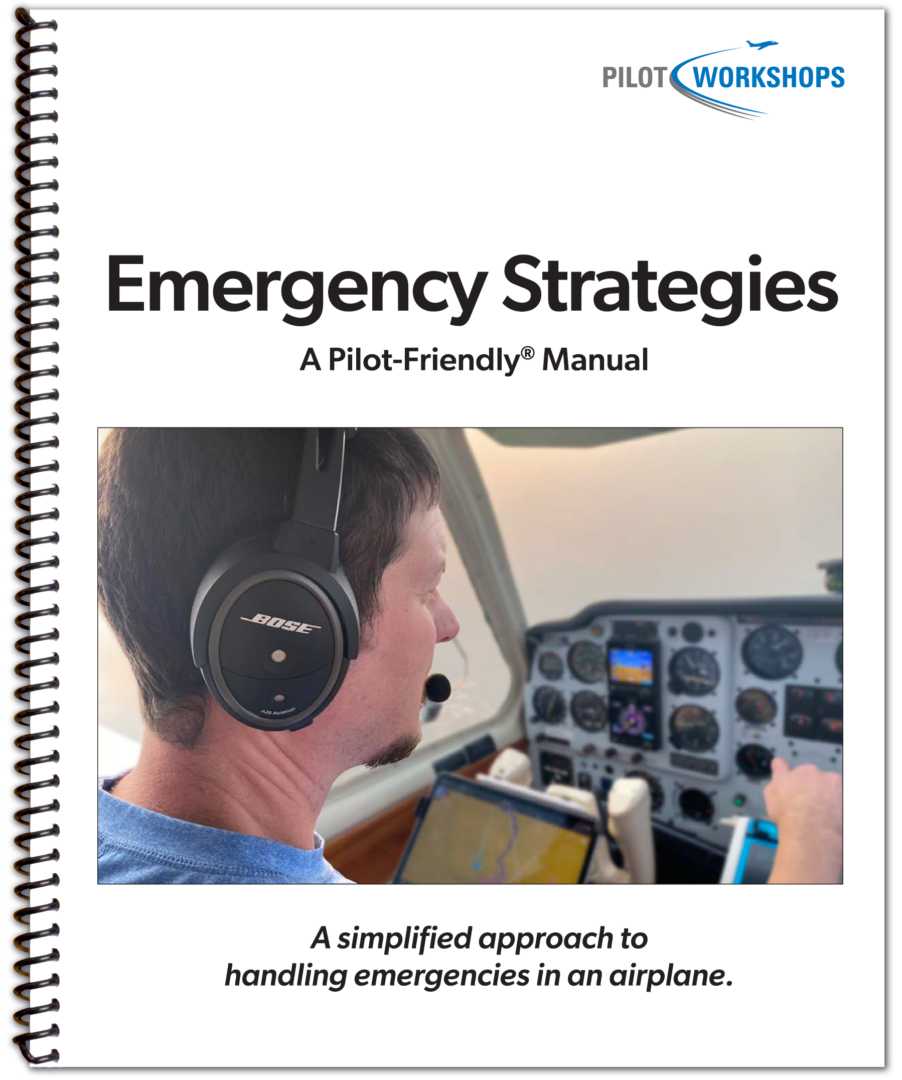
Emergency Strategies
This manual provides a simplified approach to handling emergencies in an airplane.
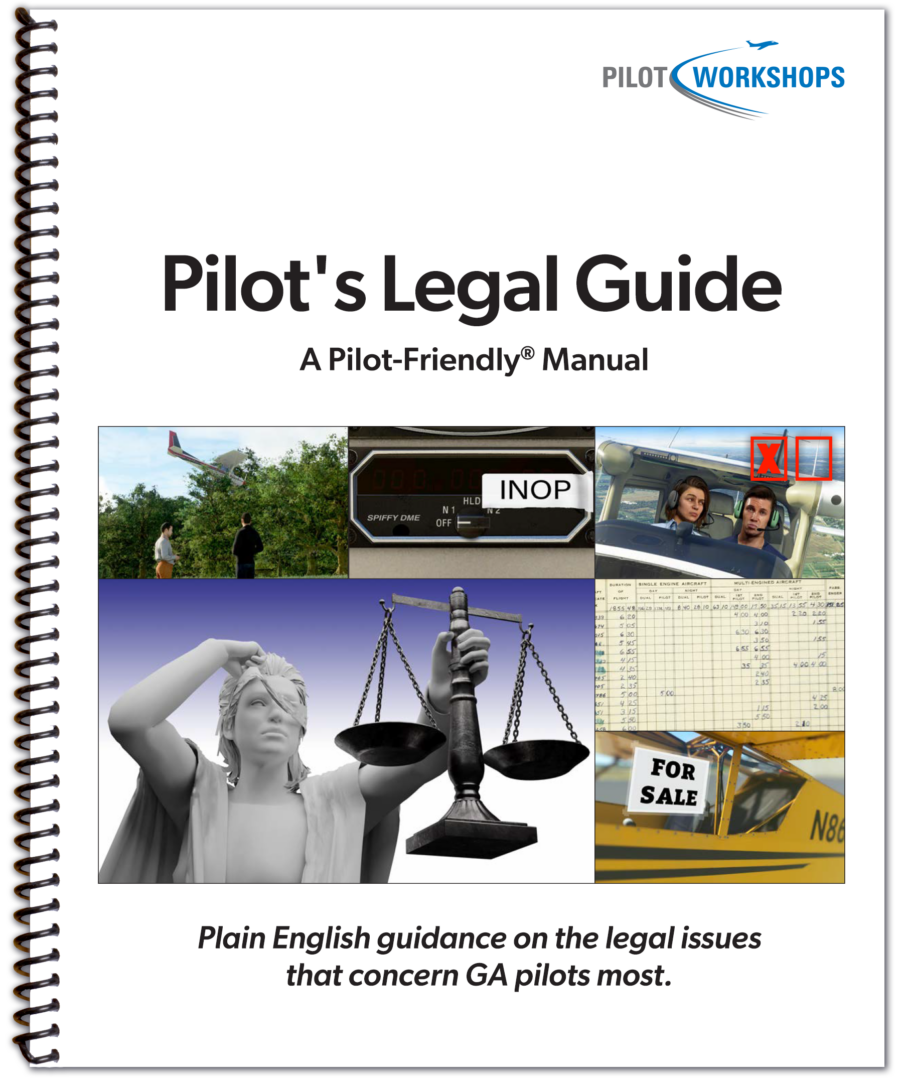
Pilot’s Legal Guide: A Pilot-Friendly Manual
Plain English guidance on the legal issues that concern GA pilots most.
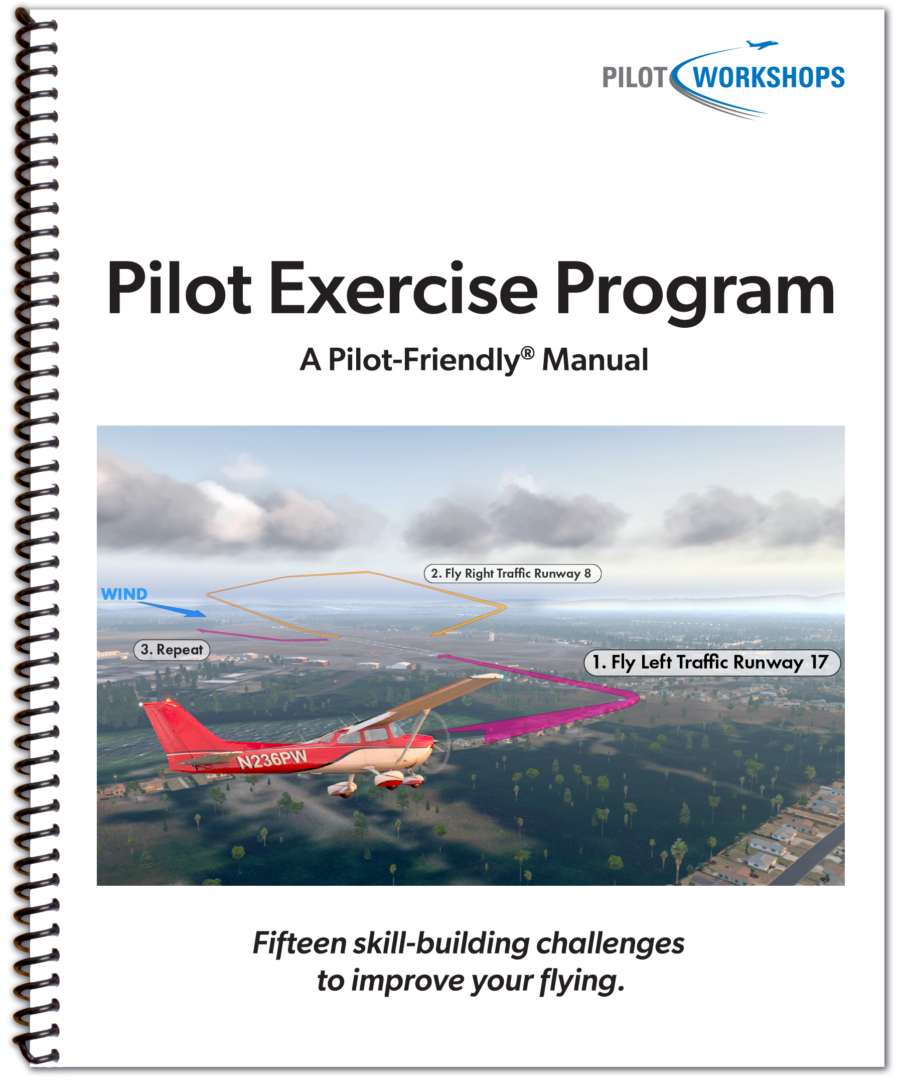
Pilot Exercise Program
Fifteen in-flight exercises designed to improve the flying skills of any pilot.
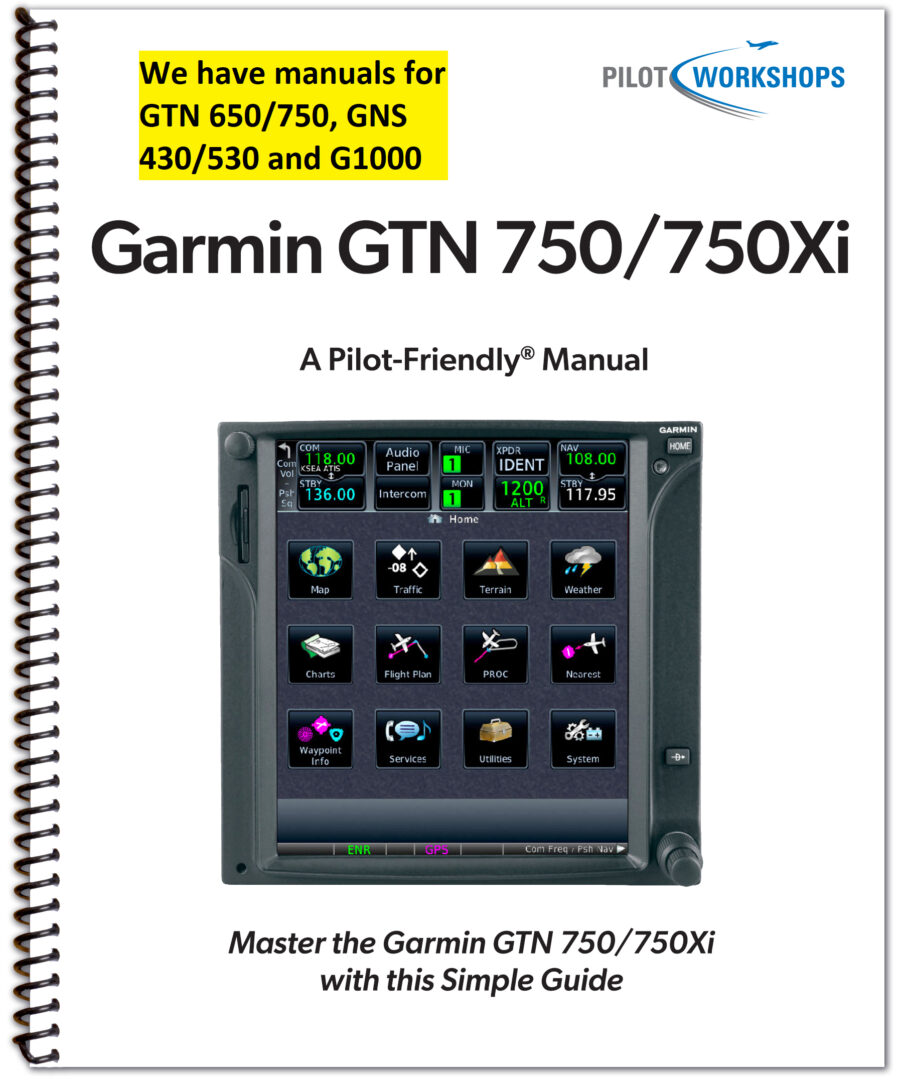
Garmin GPS Manuals
Task-oriented format that focuses on procedures, not “buttonology”. Available for G1000, GTN 650, GTN 750, GNS 430, GNS 530.
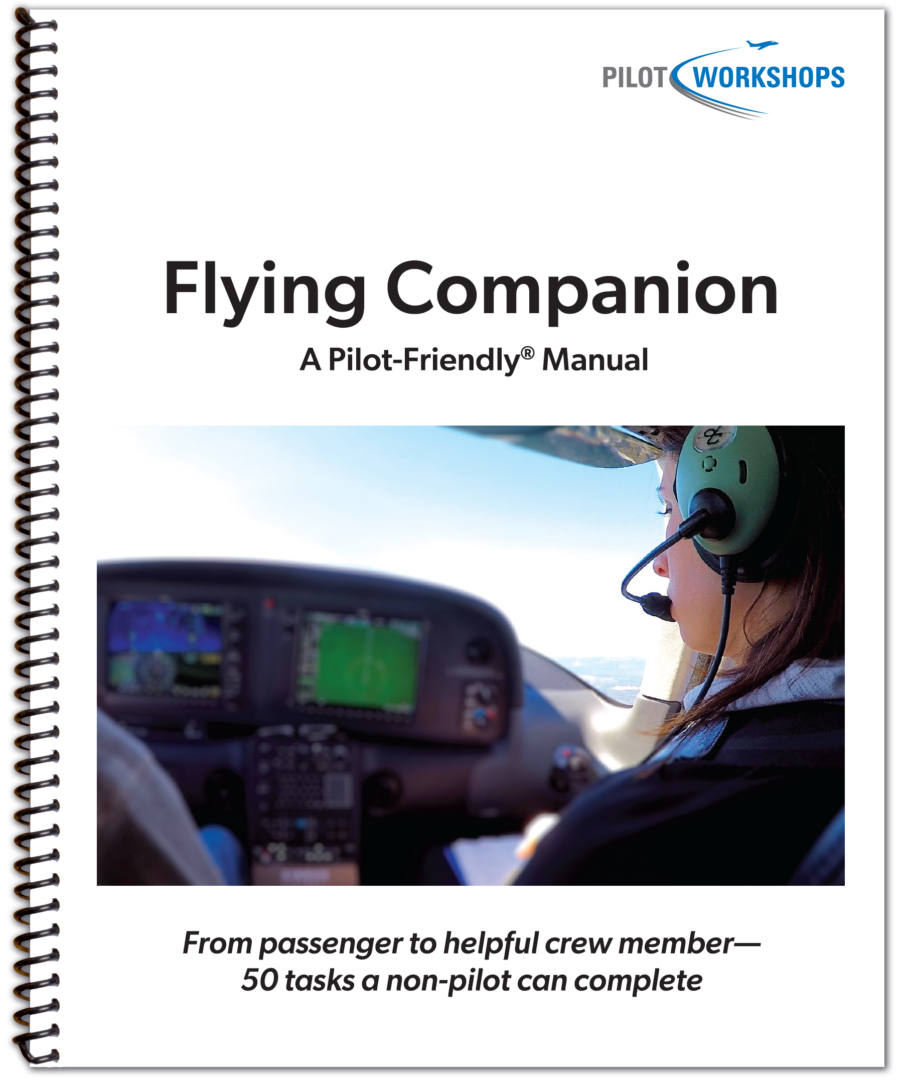
Flying Companion
Fifty useful tasks a non-pilot can complete to reduce your workload and improve safety.